
How to Pick the Perfect Sod Types for Your Lawn
If you’ve ever found yourself staring at your lawn, wondering why it isn’t meeting your expectations, you’re not alone. Maybe it’s patchy, struggling in the shade, or just not handling the foot traffic as well as you hoped. The truth is, the correct type of sod can make all the difference. Think of it like choosing the right tool for a job—different tasks require different tools for the best results. By understanding the various sod options available at South Dallas Turf & Supply, you can find the perfect match for your yard’s unique needs. It’s time to transform that “meh” lawn into a lush, green paradise. Quality sod provides a vibrant green color and a rich green color that will make your yard stand out.
Achieving a new lawn is easy with professional services that offer timely delivery and installation of high-quality sod. Properly preparing or improving your existing lawn is essential before installing new sod to ensure the best results.
Understanding Sod
What Is Sod?
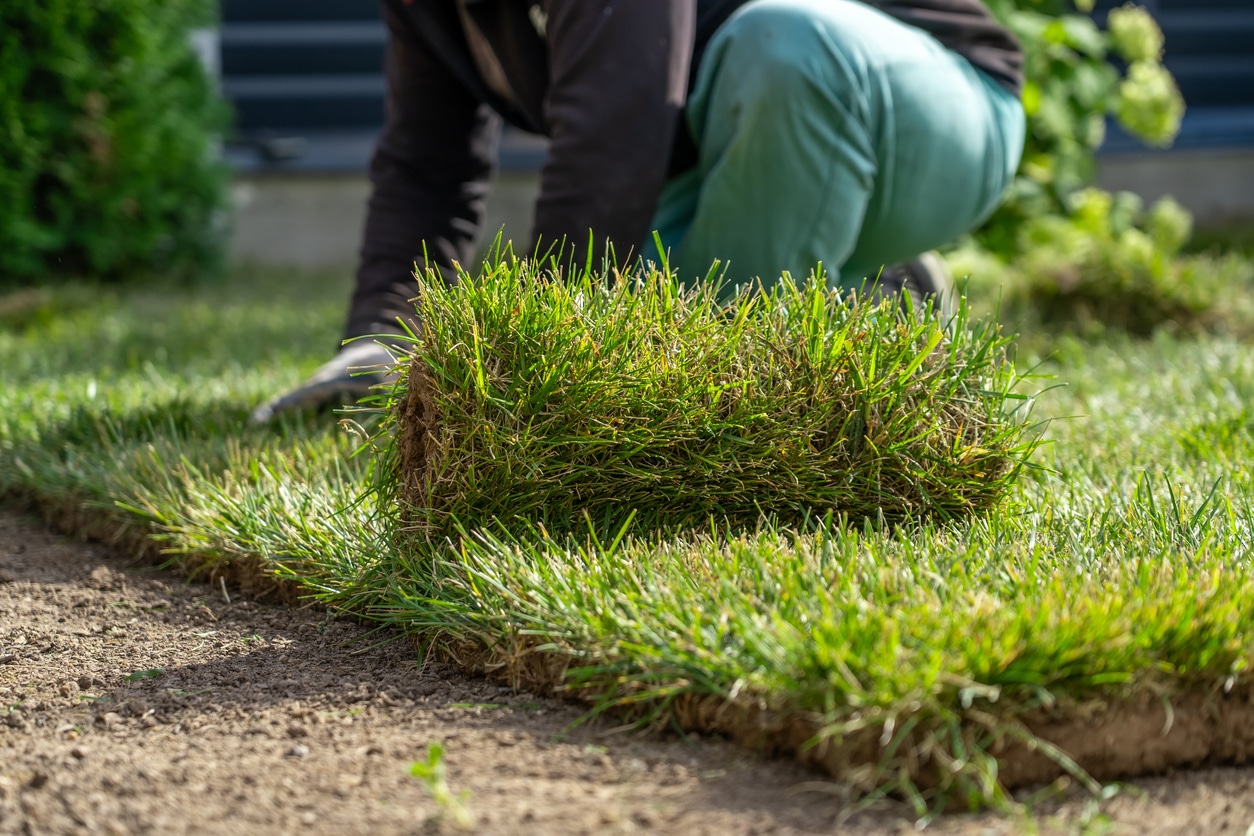
Sod is essentially a pre-grown layer of grass that includes the soil and roots, ready to be laid out in your yard to create a fresh, green lawn. Think of it as a shortcut to achieving an instant lawn without the wait. This method is particularly popular among homeowners who want a quick and convenient way to establish a healthy lawn. Sod is typically cultivated on a sod farm, where it’s meticulously nurtured until it’s ready for harvest. Sod grass is available in several popular varieties, each offering unique qualities in terms of visual appeal, texture, and suitability for different lawn needs. Once mature, it’s cut into rolls or squares and transported to your property for installation. This process ensures you get a lush, green lawn almost immediately, saving you the time and effort of growing grass from seed.
Decode Your Lawn’s Best-Kept Secrets
Ever feel like your lawn has a mind of its own? One week, it looks healthy and green; the next, it’s struggling and brown. The truth is, lush lawn doesn’t happen by accident—it requires some know-how and attention. But don’t worry; we’re here to crack the code and reveal the secrets to keeping your grass thriving year-round.
- Know Your Soil: A simple soil test can reveal pH levels and nutrient deficiencies, helping you customize your lawn care routine. TIP: Test your soil’s pH yearly, aiming for a slightly acidic range of 6.0 to 7.0. If it’s too high or too low, add lime or sulfur to balance it out.
- Water Wisely: Overwatering is just as harmful as underwatering—it’s about finding the right balance. Your lawn prefers deep, infrequent watering to encourage roots to grow deeper into the soil. TIP: Water should be used early morning to avoid evaporation and fungal growth. Aim for about 1 to 1.5 inches of water per week, including rainfall.
- Mowing Matters: Mowing too short stresses the grass, while cutting at the proper height keeps it healthy and strong. TIP: Keep your mower blades sharp, and never cut more than one-third of the grass height at a time.
- Stay One Step Ahead of Weeds: Regularly overseeding and addressing bare spots will make it harder for weeds to take root. TIP: Use a pre-emergent herbicide in early spring to stop weeds before they start, and tackle any persistent weeds with spot treatments.
This is great, but why do I need to know this? We’re glad you asked!
Understanding the secrets of your grass is key to making an informed sod purchase that genuinely benefits your lawn. When you know what to look for and how different sod types perform, you’re setting your lawn up for success. Knowing the maintenance requirements and key features of each sod type is essential for making the right choice. This knowledge helps you avoid common pitfalls, ensures your lawn thrives in specific conditions, and saves you time, money, and effort in the long run. Most grasses thrive under particular conditions, so understanding these preferences is crucial for successful lawn care.
Your Landscaping is Asking For the Correct Sod: Here’s What You Need to Know
Tired of second-guessing what your lawn needs to stay green and healthy? Choosing the correct type of sod can stop the guessing game and give your yard exactly what it craves. Your lawn has its own set of “secrets,” from how it handles foot traffic to how it fares in the summer sun, and understanding these needs is key to success. Sod acts as the perfect solution, customized to the unique conditions of your yard. Additionally, using sod is a fast alternative for establishing new lawns, repairing bare patches, and preventing erosion, especially in new properties that lack landscaping.
Most lawns are actually composed of a blend of different grass types, which is important for homeowners to consider when selecting sod.
Whether you’re dealing with too much shade, too little water, or high traffic from kids and pets, the right sod can help your lawn thrive and take the mystery out of lawn care. Understanding the different grass types is crucial for making informed decisions about your lawn.
Let’s break down the types of sod South Dallas Turf & Supply offers for common landscaping requirements.
Warm Season Sod: Best for Hot Climates
When you live in an area with long, hot summers and mild winters, like Alabama, warm-season sod is ideal for maintaining a lush lawn in hot climates. Warm-season sods are considered some of the best grasses for these conditions. These grasses thrive in southern states, where drought resistance and heat tolerance are essential.
Bermuda Grass
Bermuda grass is your go-to if your lawn sees a lot of action. Whether you’ve got kids running around and pets playing fetch or you’re hosting backyard games, Bermuda can take the beating. It’s challenging, fast-growing, and recovers quickly from wear and tear. The only catch? It grows like crazy, so you’ll be out there mowing pretty often, but that’s a small price for a lawn that always looks green and full.
Bermuda grass is also widely used in commercial applications, particularly for maintaining the vast green areas of golf courses, due to its durability and ability to thrive in various conditions.
If your yard gets lots of sun, Bermuda grass will thrive. Once it takes root, it’s also highly drought-tolerant, so even if you forget to water it during those scorching days, it’ll bounce back in no time.
- Considerations: Great for hot, dry climates & requires frequent mowing
- Extremely durable & fast-growing
- Recovers quickly from wear & tear
- Drought-tolerant
Zoysia Grass
Zoysia grass is a solid choice for families with kids and pets and is a constantly used yard. Empire Zoysia is a popular, resilient, and drought-tolerant variety of Zoysia grass, ideal for high-traffic areas. It grows slower than other grasses, but that’s not bad—it means less mowing! And despite its slow growth, Zoysia is known for its fine textured and fine texture, creating a thick, cozy carpet underfoot that’s perfect for everything from soccer games to lounging in the shade. Zoysia also features dense growth and a dark green color, making it visually appealing and weed-resistant. Plus, Zoysia can handle drought, heat, and plenty of foot traffic without showing signs of stress.
Zoysia can adjust if you live in a warmer area and experience cooler weather occasionally. It prefers sunny spots but will tolerate some shade, making it a versatile option for yards that don’t get full sun all day long. Zoysia is also considered a shade tolerant grass, making it suitable for a variety of light conditions.
- Considerations: Prefers sunny to lightly shaded areas and tolerates cooler climates
- Forms a dense, soft, & attractive lawn
- Highly resistant to drought & heat, making it low-maintenance
- Grows slowly, which means less mowing
St. Augustine Grass
St. Augustine grass could be the answer if your yard has more shade than the sun, thanks to large trees or a patio. It’s one of the few warm-season grasses that thrives in shaded areas, which is perfect if you’re tired of battling those bald spots under the trees. St. Augustine is also well-suited for coastal areas due to its good salt tolerance, making it ideal for places with higher humidity where lawns tend to stay damp.
While it prefers plenty of sunlight, St. Augustine doesn’t mind hanging out in the shade, so you get the best of both worlds—beautiful green grass even in those tricky low-light areas.
- Considerations: Prefers full sun but adapts well to shaded environments
- Tolerates moderate to heavy shade better than most warm-season grasses
- Perfect for coastal regions or places with high humidity
- Creates a lush, green lawn even in areas with less direct sunlight
Cool-Season Grasses: Best for Colder Climates
Although South Dallas Turf & Supply doesn’t currently service the northern regions, we still want to make sure you’re in the know when it comes to choosing the right sod. After all, a beautiful yard is something everyone deserves, no matter where you live! Even if we’re not in your area, we’re happy to share our expertise and help guide you to the best sod options for your property. When selecting turfgrass for colder climates, consider a cool season grass, which is well-suited for regions with cooler temperatures and distinct seasons.
- Kentucky Bluegrass: Highly winter-hardy, requires consistent care, and thrives in well-drained soil. Kentucky Bluegrass is a cool season grass that features a dark green color, making it visually appealing. It does not perform well in deep shade. This grass spreads through underground stems called rhizomes, forming a very extensive system that allows it to recover quickly from damage. Its extensive system of rhizomes helps it fill in bare spots and maintain a dense lawn.
- Tall Fescue: Ideal for yards that receive inconsistent watering, handles shade without issue, and is drought-tolerant. Patches of tall fescue can sometimes appear as grassy weed in lawns where it is not the dominant grass, disrupting the uniform look. Tall fescue grass blades are typically wider and coarser compared to other cool season grasses, giving the turf a distinct texture.
- Fine Fescues: A mix of different fescue species suitable for low-maintenance lawns, known for their drought resistance and shade tolerance. While fine fescues are ideal for homeowners seeking a resilient turfgrass, they are unsuitable for areas with heavy foot traffic. Fine fescues have fine, narrow grass blades that create a soft, delicate texture, and some varieties also display a rich, dark green color.
Keep in mind, this isn’t a full list of all the sod options available, but just a few to get you started. Plenty of choices depend on your specific needs and climate, but these top picks will help you begin your lawn transformation. For best results, remember to fertilize your lawn during the growing season to support healthy, vigorous growth.
Sod Farm and Production
Sod production begins on a sod farm, where the soil is carefully prepared and seeded with a specific type of grass. Different soil types, such as sandy, clay, or loamy soils, are considered during preparation to ensure optimal growth and adaptability of the grass.
Once the sod is mature, specialized equipment is used to cut it into rolls or squares. Sod is typically sold and priced by the square foot, allowing customers to estimate the amount they need for their project.
How Sod Is Grown
Sod production begins on a sod farm, where the soil is carefully prepared and seeded with a specific type of grass. The grass is then nurtured with regular watering, fertilizing, and mowing to promote healthy growth. These large grass fields are meticulously maintained to ensure they reach the desired height and density. Once the sod is mature, specialized equipment is used to cut it into rolls or squares. These pieces are then transported to customers and ready for installation. This process ensures that the sod you receive is healthy, robust, and ready to transform your yard into a beautiful green space.
Low Maintenance Sod: Effortless Beauty for Busy Homeowners
If you love the idea of a lush lawn but don’t have hours to spend on upkeep, low maintenance sod is your best friend. Zoysia grass is a standout choice for homeowners seeking a soft texture and a beautiful, dense lawn that doesn’t demand constant attention. Its ability to thrive in partial shade and resist drought means you’ll spend less time watering and mowing, and more time enjoying your outdoor space. Bermuda grass is another excellent option for those looking for a drought tolerant, low maintenance lawn. It’s tough, recovers quickly from wear, and can handle hot summers with minimal watering.
For cooler climates, cool-season grasses like Tall Fescue and Fine Fescue are ideal. These grasses are known for their resilience, requiring less frequent mowing and thriving even when temperatures drop. Fine Fescue, in particular, is perfect for those who want a green lawn with minimal fuss, as it tolerates shade and needs little maintenance. By choosing the right low-maintenance sod for your yard, you can enjoy a gorgeous, green lawn that fits your busy lifestyle—no green thumb required
Factors to Consider When Selecting Sod
Choosing the Right Sod for Your Lawn
Selecting the right sod for your lawn is crucial for achieving a healthy, attractive landscape. For those living in dry climates, it’s important to choose drought-resistant sod varieties with strong drought tolerance to ensure your lawn thrives with minimal water.
Cool-season sods like Kentucky bluegrass and fine fescue are popular in northern regions, while warm-season grasses such as Bermuda and Zoysia are better suited for southern climates. However, some grasses, like centipedegrass, cannot tolerate extreme cold, making them unsuitable for harsh winter areas.
Soil type is another key factor. Sandy soil is well-draining and compatible with drought-tolerant grasses like Bahia Grass, but it may require more frequent fertilization due to low nutrient retention.
Consider sun exposure and drainage as well. Some sod types are better suited for shady areas, thriving even with limited sunlight.
The best sod for your lawn’s unique needs will depend on your region, soil, and maintenance preferences. Selecting the right sod grass is especially important for home lawns, as it ensures durability and pest resistance in residential settings.
Fine fescue is a great choice for low-maintenance lawns, but some grass varieties, like centipedegrass and Bahia Grass, are known for their light green color, which is both attractive and natural-looking for home lawns.
Climate and Soil Considerations
When selecting sod, it’s crucial to consider the climate and soil conditions of your area. For instance, warm-season sods like Bermuda grass are ideal for hot and dry climates, thriving in the intense summer heat. On the other hand, cool-season sods such as perennial ryegrass are better suited for more terrific, more temperate climates. The type of soil in your yard also plays a significant role in determining the best sod type. If you have acidic soil, fine fescue might be a good choice due to its tolerance for such conditions. Additionally, factors like sun exposure, drainage, and soil texture should be considered to ensure you select the best sod for your lawn’s unique needs. By understanding these elements, you can make an informed decision that will help your lawn thrive.
Sod Installation and Care: Laying the Foundation for Success
Getting your new lawn off to a great start begins with proper sod installation and care. The first step is to assess your soil type—whether you have sandy soils that drain quickly or clay soils that hold moisture, understanding your soil will help you make the right amendments. For sandy soils, you may need to water more frequently to keep your sod hydrated, while clay soils often benefit from added organic matter to improve drainage and prevent waterlogging.
Once your soil is prepped and leveled, it’s time to lay the sod. Make sure each piece fits snugly against the next to avoid gaps, and water the entire area thoroughly right after installation. This helps the sod establish strong roots in its new home. Ongoing care is just as important: regular mowing, fertilizing, and keeping an eye out for pests will keep your lawn looking its best. If you’re unsure about the process or have a large area to cover, hiring a professional can ensure your sod is installed correctly and set up for long-term success.
Put Your Lawn’s Needs at the Top of Your To-Do List
With the right warm-season grass, you’ll finally be able to create a yard that feels like a natural extension of your home. Whether you’re dealing with intense heat, shady corners, or constant activity, there’s a type of sod that can handle it all and leave your lawn looking inviting all year round. At South Dallas Turf & Supply, we offer more than just high-quality sod to perfect your lawn care needs. We also provide our Alabama clients with all the necessary products and supplies to keep your landscaping looking fresh and professionally installed. Specific sod options with a soft texture are particularly appealing for households with dogs, as they are gentle underfoot and resistant to damage from dog urine.
From fertilizers and gravel to cross ties and sod staples, we make sure you have everything you need to maintain a thriving lawn long after the sod is laid down. Plus, our team is here to guide you with expert tips and advice so your lawn gets the care it needs when needed. Whether starting from scratch or refreshing your current yard, we’ve covered you with the tools, products, and expertise to make your lawn the best on the block.
Common Sod Mistakes: What to Avoid for a Thriving Lawn
Even with the best intentions, it’s easy to make mistakes when installing sod. One of the most common errors is choosing a type of sod that isn’t suited to your local climate or soil type. For example, Kentucky Bluegrass is a popular choice for its rich color and soft feel, but it struggles in the heat and humidity of the southern United States. Selecting the wrong sod can lead to a lawn that never quite thrives.
Another frequent mistake is skipping proper soil preparation. Failing to test and amend your soil can result in poor drainage, compacted roots, and nutrient deficiencies that stunt your lawn’s growth. Overwatering or underwatering your new sod is also a pitfall—too much water can cause disease, while too little prevents roots from establishing. By taking the time to match your sod to your region’s climate and your yard’s soil type, and by preparing the ground thoroughly, you’ll set your lawn up for lasting health and beauty.
Sod and the Environment: Greener Choices for a Healthier Planet
Your choice of sod doesn’t just affect your yard—it can also make a difference for the environment. Opting for drought-tolerant sod varieties like Bermuda grass and Zoysia grass helps conserve water, a crucial consideration in the southern United States where hot, dry summers are common. These grasses require less irrigation, reducing your water usage and supporting a more sustainable landscape.
Choosing the right grass type for your soil type is another way to go green. Augustine grass, with its coarse texture, is excellent for preventing soil erosion and improving soil health, especially in areas prone to heavy rain or runoff. Native sod varieties are also a smart pick, as they’re adapted to local conditions and typically need fewer chemical inputs. By selecting sod that matches your region’s climate and soil, you’ll enjoy a thriving lawn that’s easier on the planet—proof that a beautiful yard and environmental responsibility can go hand in hand.
Get Started Today with South Dallas Turf & Supply
We’ve proudly served Birmingham, AL, and the surrounding areas with premium sod and landscape supplies for years, helping our community create beautiful, thriving lawns. Ready to transform yours? Reach out today, and let’s get started on your next outdoor project!