

Best Soil for Lawns in Birmingham: Topsoil, Compost, or Garden Soil?
Topsoil, compost, or garden soil? Sure, they all may just seem like “dirt” to the uninitiated. However, any gardener or lawn expert knows the material you choose can make or break your lawn.
Here’s the straight answer: topsoil provides structure, compost improves soil health, and garden soil is made for planting beds. The best soil for lawns in Birmingham often involves blending materials, especially when preparing soil for new sod.
Quick Summary
- Topsoil builds a stable base for lawns and grading.
- Compost improves drainage and adds organic matter.
- Garden soil works best in beds, not for leveling lawns.
- The best soil for lawns usually combines topsoil and compost.
- Proper soil for new sod must balance structure, drainage, and airflow.
What Is Topsoil?
It’s all in the name. Topsoil refers to the upper layer of natural mineral soil (the soil on top!) It contains sand, silt, and clay, and suppliers often screen it to remove rocks and debris.
In Birmingham, native topsoil contains a significant amount of clay. Clay holds nutrients well, but it compacts easily and drains slowly. After heavy rain—and we get plenty in central Alabama—water can linger near the surface.
Topsoil works well when you need:
- A stable base for sod
- Leveling and grading
- Filling low areas
Topsoil struggles when:
- Organic matter is low
- Soil feels dense and compacted
- Drainage needs improvement
Topsoil gives your lawn structure. Roots need firm soil contact to establish. But structure alone isn’t enough for long-term performance.
What Is Compost?
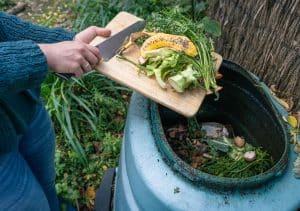
Compost is decomposed organic material. It typically includes plant matter like leaves and grass clippings that have broken down into nutrient-rich soil conditioner. Best of all? You can make it from home with stuff you’d usually throw away.
Compost improves soil structure and increases microbial activity. Most importantly, it creates air pockets essential for root growth. Roots don’t just need nutrients. They need oxygen. In Birmingham’s clay-heavy soil, that airflow matters.
Compost for lawns works well when you:
- Mix it into clay soil
- Topdress an existing lawn
- Improve compacted ground
Compost causes problems when you:
- Use thick layers under sod
- Try to level a yard with it
- Skip blending it with mineral soil
Compost continues breaking down over time. That means settling can occur. For that reason, compost alone isn’t stable enough as the base layer for new sod.
What Is Garden Soil?
Garden soil is the stuff you see in hardware stores in big heavy bags. It’s usually a blend of topsoil and compost designed for planting beds.
Garden soil contains more organic matter than plain topsoil. It drains better and feels looser. That makes it excellent for flowers, vegetables, and shrubs.
Garden soil works best in:
- Flower beds
- Vegetable gardens
- Raised beds
- Landscape borders
Garden soil isn’t ideal for leveling lawns. It’s too soft and can shift under foot traffic. If you use it as your base for sod, you may see uneven settling over time.
Birmingham Clay: Why It Changes How Soil Performs
Birmingham averages over 50 inches of rainfall annually. Clay-heavy soil holds water longer than sandy soil. That can create drainage issues.
At the same time, clay compacts easily. Compaction limits root growth. Grass struggles when roots can’t spread.
Healthy soil needs:
- Air pockets for oxygen
- Balanced moisture retention
- Good drainage
- Stable structure
According to the USDA Natural Resources Conservation Service, improving soil structure with organic matter enhances water movement and root development. That’s why compost blended with topsoil performs better than clay soil alone.
Best Soil for Lawns in Birmingham
If you’re installing sod, soil prep determines success.
The best soil approach for Birmingham lawns typically involves a balanced strategy rather than relying on a single product.
Start with Quality Topsoil for Grading & Structure
Screened topsoil helps level the yard, correct low spots, and create a stable base for sod installation. It provides the mineral structure roots need to anchor properly.
Blend Compost into the Topsoil to Improve Organic Content
Incorporating compost increases microbial activity, improves drainage in clay-heavy areas, and enhances moisture retention during hot Alabama summers. This combination creates an ideal balance of structure and nutrients.
Avoid Using Thick Layers of Compost by Itself
While compost is highly beneficial, applying it alone in deep layers can create soft, spongy areas that settle unevenly over time. Sod laid directly on heavy compost may struggle to root into stable soil beneath it.
In Short…
Professional landscapers rarely rely on a single material. Instead, they evaluate existing soil conditions, drainage patterns, sun exposure, and the type of grass being installed. From there, they adjust the blend and depth of materials to match the project’s goals.
Just as important as what you apply is how much you apply. A moderate compost blend — typically mixed into the top few inches of soil—improves structure and long-term performance. Over-application, however, can lead to uneven settling, excess moisture retention, or nutrient imbalances.
The best soil for lawns in Birmingham is usually a well-prepared blend of topsoil and compost, tailored to your yard’s specific conditions. Proper preparation creates stronger root systems, better drainage, and a lawn that holds up through heat, rain, and seasonal stress.
Cost vs. Long-Term Value
At first glance, topsoil is typically the most budget-friendly option per cubic yard, making it appealing for large coverage areas. Compost, on the other hand, costs more because it’s rich in concentrated organic matter and beneficial nutrients. Garden soil blends generally fall somewhere in the middle, as they combine screened soil with compost or other amendments.
While it may be tempting to choose the least expensive option upfront, the lowest price doesn’t always deliver the best results. Soil that lacks sufficient organic matter, proper structure, or nutrients can lead to poor drainage, weak root development, and thin or patchy grass growth. If sod struggles to establish, you may end up paying for additional fertilizer, soil amendments, overseeding, or even full sod replacement—significantly increasing your total project cost.
Investing in the right blend of quality topsoil and compost from the beginning creates a healthier growing environment for roots to establish quickly and deeply. This reduces the risk of failure, improves moisture retention, and supports long-term lawn health. In many cases, spending slightly more upfront leads to lower maintenance costs, fewer repairs, and a stronger, more resilient lawn over time.
Frequently Asked Questions About Topsoil, Compost, & Garden Soil
Can I use compost instead of topsoil for new sod?
Compost improves soil health, but it doesn’t provide enough structure alone. Mixing compost with topsoil creates better soil for new sod.
Is garden soil good for patching bare lawn spots?
Small patches may tolerate garden soil, but larger lawn areas perform better with a topsoil-based blend.
How deep should I prepare the soil before laying sod?
Most sod installations benefit from 3–6 inches of prepared soil, especially in clay-heavy Birmingham yards.
Build a Better Lawn From the Ground Up
Healthy grass starts below the surface; Topsoil builds the base, compost improves structure and airflow, and garden soil supports planting beds. When all three work together? Lawn magic.
Keeping your lawn healthy isn’t a sprint; it’s a marathon, and the soils you use are a big piece of the puzzle. In Birmingham’s clay-heavy soil, the best soil for lawns usually combines materials instead of relying on one.
For more information on how to keep your Birmingham lawn looking beautiful, including advice on new sod installation, South Dallas Turf & Supply is here to help.
Get the Right Soil for Your Birmingham Lawn at South Dallas Turf & Supply
Planning a sod installation or lawn repair? Stop guessing about topsoil, compost, and garden soil. Visit South Dallas Turf & Supply or schedule delivery to get the right soil for new sod and long-term lawn health.
Contact us today to learn more about how top-quality soil can keep your grass happy for years to come.