
5 Lawn Care Myths That Are Wasting Your Money
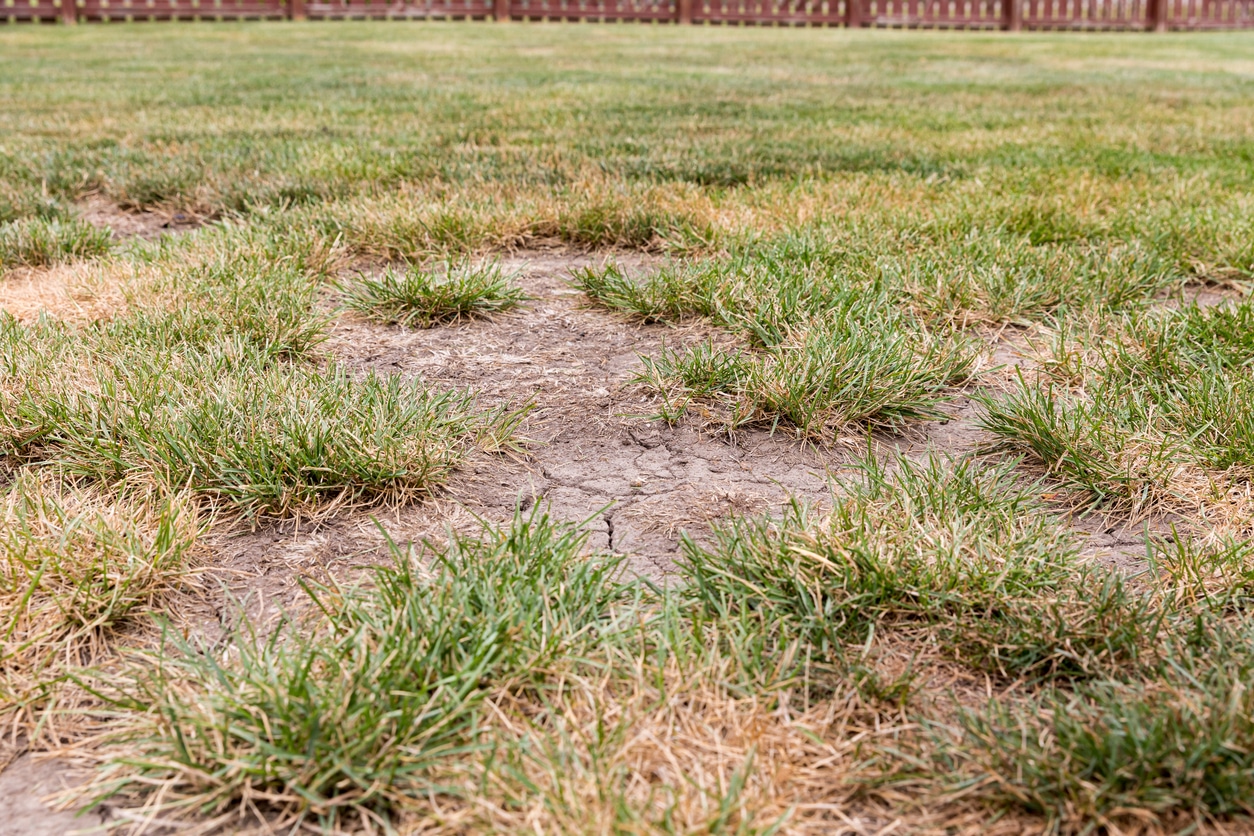
If your grass still isn’t looking right after all the watering, fertilizing, and effort you’ve put in, you might not have a grass problem. You might have a myth problem. A lot of common lawn care advice out there is outdated, oversimplified, or just wrong.
In Birmingham’s heat and humidity, following bad advice doesn’t just slow your lawn down. It can set it back by an entire season.Here are five lawn care myths that trip up homeowners all the time, and what to do instead.
Quick Summary
- More water doesn’t mean healthier grass. It often means shallower roots and more disease.
- Fertilizer won’t fix a lawn with poor soil or the wrong pH.
- Topsoil isn’t optional. Skipping it is one of the most common reasons new sod fails.
- Timing your sod installation matters, especially with Birmingham’s warm-season grasses.
- Green grass isn’t always healthy grass. Color alone doesn’t tell the whole story.
Myth #1: More Water Means a Healthier Lawn
This is probably the most expensive myth on the list. The logic makes sense on the surface: grass needs water, so more must be better. But when you water too often, roots stay shallow because moisture is always right there at the surface. Shallow roots make your lawn far more vulnerable to heat stress, drought, and disease, which is a real problem in Birmingham where summer temps regularly hit the upper 80s and 90s.
Overwatered grass also turns yellow, which is why this myth is so hard to break. Homeowners see yellow grass, assume it’s thirsty, and water it more. If your lawn feels spongy underfoot or you’re seeing fungal patches and weeds spreading fast, you’re probably not underwatering.
 How Often Should I Water My Lawn in Birmingham?
For warm-season grasses like Bermuda and Zoysia, watering deeply once or twice a week beats light daily watering every time. Aim for about an inch of water per week total, including rainfall, and water in the early morning to reduce fungal risk.
Myth #2: Fertilizer Fixes Everything
Fertilizer is a tool, not a cure. If your soil’s pH is off, grass roots can’t absorb nutrients properly, so you could be fertilizing regularly and getting almost nothing out of it. Over-applying can also burn your grass, push weak top-heavy growth that attracts pests, and send excess nutrients into drainage areas.
Different grass types have very different needs too. Centipede grass is especially sensitive to nitrogen; too much can seriously damage the turf. Bermuda has higher nitrogen needs, particularly in late spring and early summer. One fertilizer approach does not fit every lawn.
Should I Soil Test Before Fertilizing?
Yes, and it’s easier than most people think. A soil test tells you your pH levels and which nutrients are actually lacking, so you stop guessing and start applying what your lawn actually needs. The Alabama Cooperative Extension System offers soil testing resources that are worth checking out before you buy anything.
Myth #3: Topsoil Isn’t Necessary Under Sod
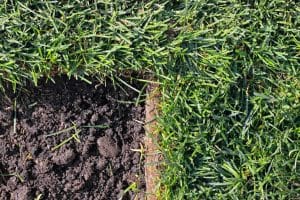
Skipping topsoil to save time and money is a shortcut that almost always costs more later. Sod needs a minimum of 4 to 6 inches of quality topsoil to establish a healthy root system. Without it, roots can’t access consistent moisture or nutrients, and the lawn ends up thin and patchy. Lawns installed without proper soil prep might look decent for a few months, then brown out and fail before year one is up.
Think of topsoil like a foundation. If your existing soil is dense clay (common in many Birmingham neighborhoods), compacted, or lacking organic matter, laying sod on top without any prep is a gamble. Good topsoil improves drainage, supports root penetration, and gives your grass a real fighting chance against Birmingham’s summer heat.
Myth #4: You Can Lay Sod Any Time of Year Without Thinking About It
Sod can go down in any season in the Birmingham area, but timing still matters. Warm-season grasses like Bermuda, Zoysia, and St. Augustine root best when soil temperatures are consistently above 65°F, which typically means late spring through early summer here in central Alabama.
Summer installs are possible but require more aggressive watering and carry a higher disease risk. Fall installs can work, but if warm-season roots haven’t established before dormancy sets in, you’re starting spring already behind.
What’s the Best Time to Lay Sod in Birmingham, AL?
Late April through June is the sweet spot. The soil is warm, growth is active, and your sod has the best shot at rooting quickly before summer stress arrives. Not sure your timing works? The team at South Dallas can help you figure that out before you order.
Myth #5: If It’s Green, It’s Healthy
Green is a good sign, but it’s not the whole story. Grass can look lush from overwatering or excess nitrogen and still have a weak root system that buckles the moment summer heat or drought hits.
Color alone is also a poor diagnostic tool. Yellow grass isn’t always thirsty — it can point to too much water, a pH imbalance, disease, or insects. Brown grass isn’t always dead. Warm-season grasses like Bermuda go dormant in cooler months and come back in spring. Real lawn health lives below the surface, and chasing color without understanding your soil leads to a lot of wasted time and money.
The Real Cost of Getting It Wrong
These mistakes add up fast. Overwatering drives up water bills. Unnecessary fertilizer wastes money and can damage your lawn. Skipping topsoil leads to sod that fails and needs replacing. Bad timing means slow establishment and extra work to recover.
Most of these mistakes are easy to avoid once you know what to look for, and you don’t have to figure it all out alone.
Frequently Asked Questions About Common Lawn Care Myths
Why is my grass not growing even though I’m watering and fertilizing it?
The issue is likely in the soil. Low pH prevents roots from absorbing nutrients no matter how much fertilizer you apply, and compacted soil limits root growth. A soil test is the best place to start.
How do I know if I’m overwatering my lawn?
Look for spongy soil underfoot, yellow patches, fungal growth, or weeds spreading quickly. Switching to deep, infrequent watering once or twice a week usually makes a noticeable difference.
Does the type of grass I choose really make a difference in Birmingham?
It makes a big difference. Bermuda, Zoysia, Centipede, and St. Augustine are all well-suited to Birmingham’s climate, but each has different tolerances for heat, shade, drought, and foot traffic. Choosing the right variety for your yard’s specific conditions matters more than most people realize.
Get the Right Supplies for a Lawn That Thrives in Birmingham From South Dallas Turf & Supply
A healthy Birmingham lawn starts with quality products and solid information. At South Dallas Turf & Supply, you’ll find premium sod varieties, topsoil, fertilizer, and everything you need to get it right the first time, plus real guidance to back it up.
Stop by or contact us today to get started.