
Understanding Fertilizer Labels: A Homeowner’s Guide
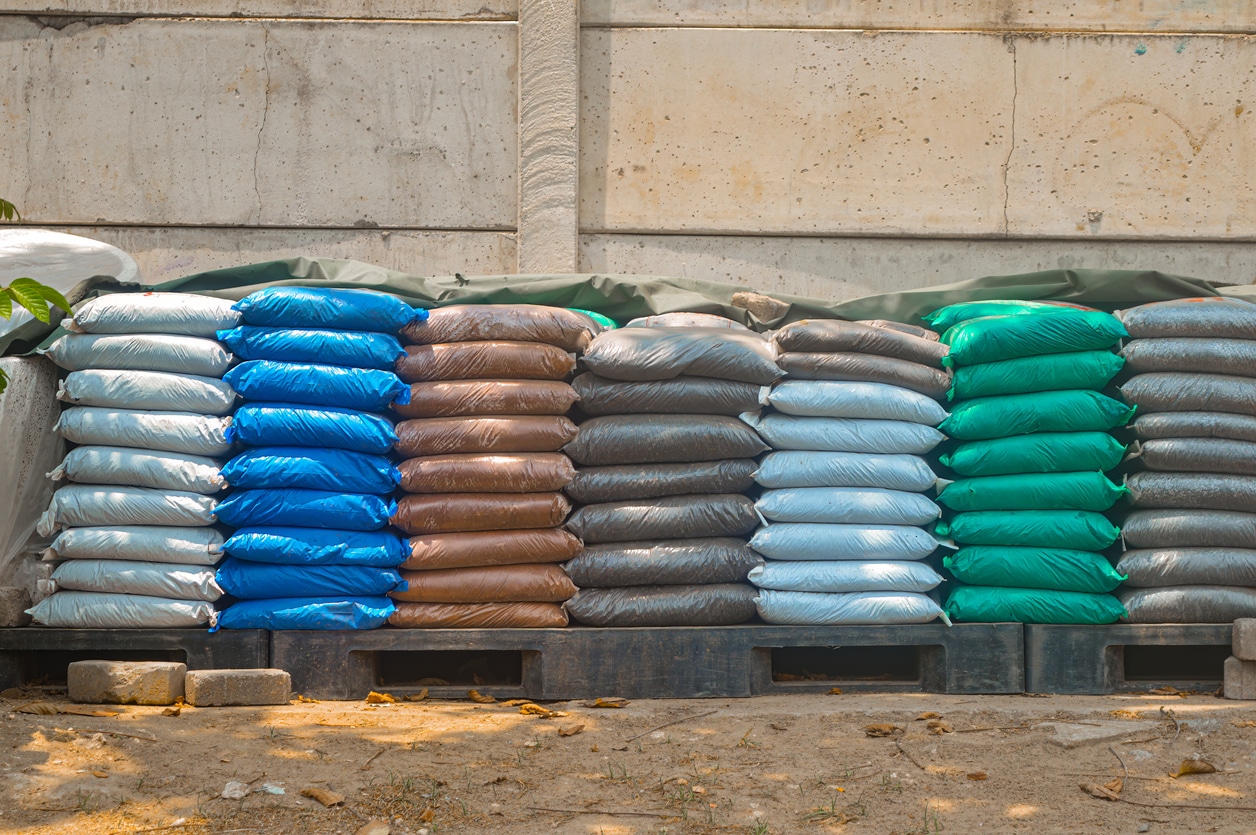
Fertilizer bags have a real talent for looking important and explaining nothing. You’ve got a string of numbers on the front like it’s a locker combination, a wall of fine print on the back nobody ever fully reads, and absolutely nothing in between that says “here’s what this does for your yard.”
So you end up doing one of two things. You either grab whatever bag has the biggest “GREENER GRASS FAST” label on it, or you stand in the aisle scrolling through fertilizer reviews while your cart blocks the whole walkway. Either way, not exactly a system. The South Dallas Turf & Supply team wants to fix that.
The Three Numbers: What N-P-K Means
Every fertilizer bag has three numbers on the front, always in the same order, always separated by dashes. Something like 16-4-8 or 21-0-0. Those numbers are the fertilizer’s N-P-K ratio, and they tell you the percentage, by weight, of three nutrients in the bag:
- Nitrogen (N)
- Phosphorus (P)
- Potassium (K)
So a 40-pound bag of 16-4-8 fertilizer contains 16% nitrogen, 4% phosphorus, and 8% potassium by weight. The rest is filler material that spreads the product evenly. Each of these nutrients has a specific job in your lawn.
Nitrogen (N) is the Growth & Color Nutrient
It’s the reason your lawn looks lush, green, and thick after a good feeding. Nitrogen fuels leaf and blade growth, which is why it’s the biggest number on most lawn fertilizer bags. But nitrogen is also the nutrient most likely to be overused, since more growth and greener color feel like it should always be a good thing. It isn’t; more on that in a minute.
Phosphorus (P) is the Root-Builder
It supports strong root development, which matters most when grass is establishing itself — new sod, seed, or plugs. An established, healthy lawn generally needs very little additional phosphorus, which is why you’ll see a lot of maintenance fertilizers with a “0” as the middle number.
Phosphorus runoff is also a water-quality concern, so several states now restrict its use in lawn products unless a soil test shows a deficiency.
Potassium (K) is the Toughness Nutrient
It helps grass handle stress: heat, drought, cold snaps, and heavy foot traffic. Think of potassium as the reason your lawn bounces back after a scorching July or a backyard football game rather than staying stressed and thin. It’s especially important for warm-season grasses that deal with brutal heat, which — if you’re reading this — is pretty much every lawn around Birmingham.
Beyond the N-P-K Numbers: What Else is On the Bag?
The three big numbers get all the attention, but there’s more useful information hiding on a fertilizer bag once you know where to look.
The Guaranteed Analysis Box
This is the fine-print table below the N-P-K numbers, and it breaks down where the nitrogen is coming from.
- Water soluble nitrogen releases fast; quick green-up, but it doesn’t last long and carries a higher risk of burning the lawn if you overapply.
- Water insoluble nitrogen (often labeled slow-release, controlled-release, or coated) feeds the lawn gradually over several weeks instead of a few days.
Micronutrients, Especially Iron
A lot of bags marketed for “deep green color” are actually leaning on iron rather than nitrogen to get that effect. Iron greens up the grass without pushing a growth spurt, which is handy if you want color without having to mow twice a week to keep up.
“Weed & Feed” Combo Products
Some fertilizer bags also contain a herbicide — either pre-emergent (stops weed seeds from germinating) or post-emergent (kills existing weeds). These are convenient, but the application window is a lot narrower than plain fertilizer, and using one at the wrong time can waste the herbicide or damage grass that isn’t ready for it.
The Nitrogen Source Itself
Ingredients like urea, ammonium sulfate, or sulfur-coated urea can gradually affect soil pH over time, with ammonium-based sources tending to acidify soil the most. It’s one more reason a periodic soil test is worth doing, even when the lawn looks perfectly healthy.
Matching Fertilizer Ratios to Your Sod
Not all grass is built the same, and not all fertilizers should be treated the same either. Here’s how we’d match ratios to the sod types we carry.
Bermuda Grass
Bermuda is a nitrogen-hungry grass. It grows fast, spreads aggressively, and rewards regular feeding during the growing season. If you’re wondering how to fertilize Bermuda grass properly, the short answer is simple. Feed it more often than most other grasses, using a higher-nitrogen ratio like 21-0-0 or 16-4-8 during peak summer growth.
Bermuda also handles foot traffic well, but it still benefits from a potassium boost heading into late summer and early fall to store energy before dormancy. A ratio like 15-0-15 works well for that late-season push.
Zoysia Grass
Zoysia grows slower and denser than Bermuda, which means it doesn’t need nitrogen at the same aggressive pace. Overfeeding Zoysia with nitrogen is actually one of the more common mistakes we see. It can push out soft, floppy growth and make the lawn more prone to disease.
For the best fertilizer for Zoysia, look at a balanced or slightly lower-nitrogen ratio, something like 15-5-10, applied less frequently than you would for Bermuda. Zoysia also appreciates that potassium boost for wear tolerance, especially in high-traffic yards.
St. Augustine Grass
St. Augustine likes consistent, moderate feeding rather than big nitrogen spikes. A ratio around 15-5-0 or similar, applied on a steady schedule through the growing season, keeps it thick without encouraging thatch buildup or fungal issues.
Centipede Grass
Centipede is the low-maintenance grass of the bunch, and it actually prefers to stay that way. Heavy nitrogen is one of the fastest ways to stress out a Centipede lawn; too much feeding can lead to thin, weak turf and a condition called “Centipede decline.” A light, low-nitrogen ratio applied once or twice during the growing season is usually all it needs.
Not Sure Which You Have or What It Needs?
A basic soil test takes the guesswork out entirely and tells you exactly what your specific yard is missing. In terms of ratios, this step is 100% worth doing before you buy a season’s worth of product.
When to Fertilize Your Lawn
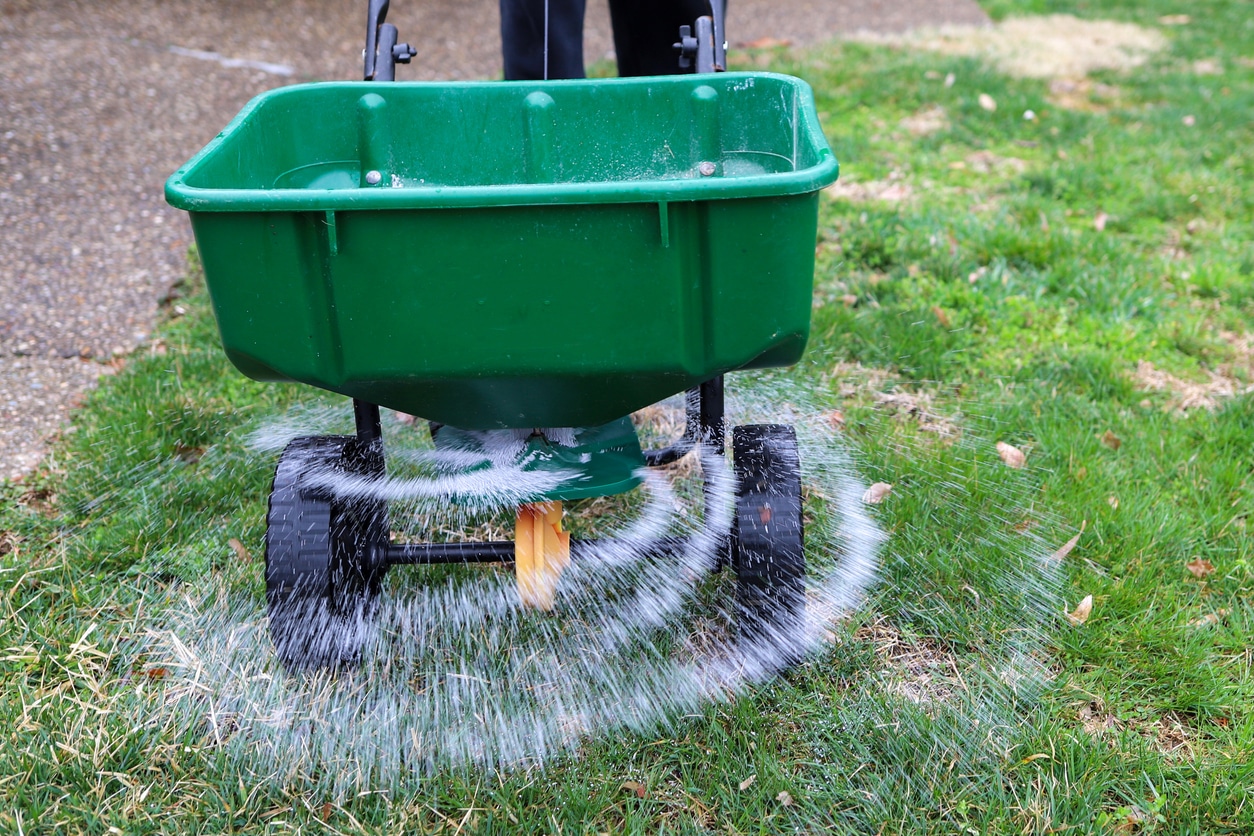
Timing matters just as much as the ratio, and this is where a lot of otherwise careful lawn owners go wrong.
- Fertilize based on growth, not the calendar. For warm-season grasses the fertilizing season runs from late spring through late summer. If your lawn is still mostly brown and dormant, adding fertilizer does very little except feed weeds.
- Wait for two or three mows before the first feeding. When to fertilize lawn areas around Birmingham is as follows: hold off until you’ve mowed at least two or three times in spring. That tells you the grass is actively growing and ready to use the nutrients.
- Feed every 6-8 weeks through the growing season. Most warm-season lawns do well on that schedule, tapering off by early fall so the grass can start hardening for dormancy rather than pushing new growth before cooler weather arrives.
If you’re still unsure about the proper time to fertilize your lawn, the professionals at South Dallas Turf & Supply are happy to help. We’ll take a look at the results of your soil test and provide you with our expert opinion.
Common Fertilizing Mistakes & How to Avoid Them
Even good intentions go sideways. Some of the mistakes we see most often include:
Fertilizing Too Early in Spring
This is the single most common mistake homeowners make. The weather warms up, everyone gets spring fever, and out comes the fertilizer, while the lawn is still dormant or just barely waking up. Early nitrogen mostly feeds weeds and gets wasted, since dormant grass roots aren’t actively taking up nutrients yet.
Instead: Wait for consistent green-up and a few mows before that first application.
Applying Too Much Fertilizer
More is not better here. Overapplying nitrogen can burn your lawn, cause excessive thatch buildup, and make grass weaker and more disease-prone by encouraging fast, soft growth instead of healthy growth.
Instead: Follow the bag’s application rate for your lawn’s square footage. A spreader setting that’s “close enough” can mean applying twice what the label recommends.
Using the Wrong Product For Your Grass Type
A one-size-fits-all fertilizer bought because it was on sale can do more harm than good. This is particularly true with heavy-feeding grass like Bermuda getting underfed or a lower-need grass like Centipede getting overfed.
Instead: Match the ratio to the grass, not just the price tag.
Skipping the Pre-Application Watering
Applying granular fertilizer to bone-dry soil, then waiting to water it in, can risk burning grass blades before the granules break down.
Instead: Water lightly before application if the soil’s been dry, and always water it in afterward per the bag’s instructions.
Ignoring Soil pH
Even the right N-P-K ratio can underperform if your soil pH is off, since nutrient uptake is pH-dependent. If your lawn’s response to fertilizer has been lackluster despite doing everything “right,” a soil test is worth the investment before buying more product.
The Bottom Line on Feeding Your Lawn
Reading a fertilizer bag doesn’t have to feel like decoding a secret message. Once you know that the three numbers stand for nitrogen (growth and color), phosphorus (roots), and potassium (stress tolerance), the rest is just matching those numbers to your grass type and time of year.
That’s the whole philosophy behind how we do business at South Dallas Turf & Supply. We don’t just sell sod and walk away. We want you to actually succeed with it. From the moment you’re picking out Bermuda, Zoysia, St. Augustine, or Centipede for your yard, our team is ready to talk through what it needs to thrive, so you’re set up for a healthy lawn from day one.
We’re the go-to resource for homeowners and landscapers around Birmingham. We’re the partner who sticks around for the advice, the ratios, the timing, and everything else that goes into keeping that lawn looking great long after it’s planted.
Set Your Yard Up For Success 365 Days a Year
If you’re still not sure which landscape fertilizer works best for your specific Alabama yard, stop by South Dallas Turf & Supply in Irondale, AL. We’ll help you match the right bag, ratio, and schedule to your lawn, so you’re not stuck guessing in the aisle next time.